Guide
Water Systems
Sustainable Water Management in BC
Essential strategies for rainwater collection, greywater systems, and water conservation in British Columbia.
Mike Rodriguez
Sept 8, 2024
8 min read
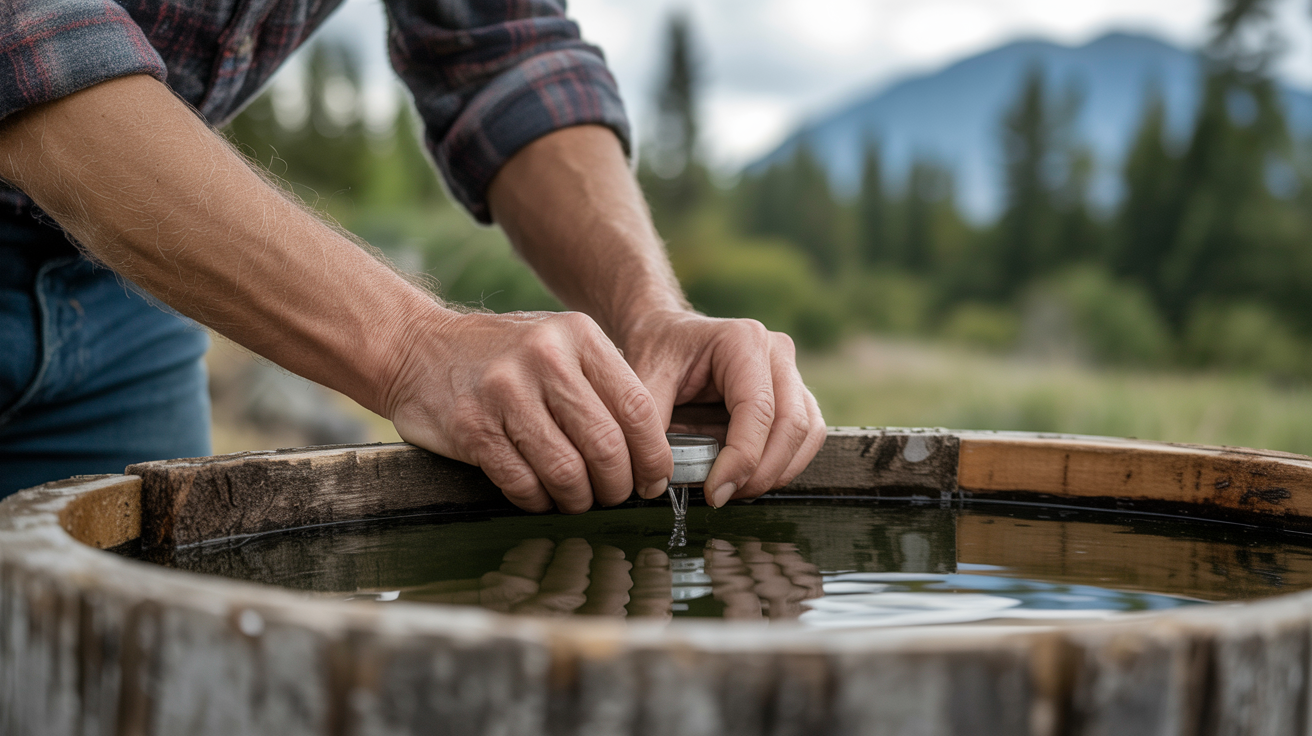
Water management is crucial for sustainable living in British Columbia. From rainwater harvesting to greywater systems, understanding how to collect, store, and conserve water is essential for anyone living off-grid or wanting to reduce their environmental impact.
## Rainwater Harvesting Systems
British Columbia receives significant rainfall, making rainwater harvesting an excellent option for sustainable water management.
### Basic Components:
- **Catchment Surface**: Usually your roof
- **Gutters and Downspouts**: To direct water flow
- **First Flush Diverters**: To improve water quality
- **Storage Tanks**: Food-grade plastic or concrete cisterns
- **Filtration Systems**: Sediment and carbon filters
### Calculating Collection Potential:
For every 1mm of rainfall on 1 square meter of roof, you can collect approximately 1 liter of water. A 100 square meter roof during a 25mm rainfall event could yield 2,500 liters.
## Greywater Systems
Greywater from sinks, showers, and washing machines can be reused for irrigation, reducing both water consumption and wastewater production.
### Simple Greywater Solutions:
- **Laundry-to-Landscape**: Direct washing machine drain to garden beds
- **Branched Drain Systems**: Distribute greywater to multiple irrigation zones
- **Constructed Wetlands**: Natural treatment before reuse
### Important Considerations:
- Use biodegradable soaps and detergents
- Avoid fabric softeners and bleach
- Don't store greywater for more than 24 hours
- Keep greywater separate from potable water systems
## Water Storage Solutions
Proper storage is critical for year-round water security in BC's seasonal climate.
### Storage Options:
- **Above-ground tanks**: Easier installation and maintenance
- **Underground cisterns**: Better temperature stability and aesthetics
- **Pond liners**: Cost-effective for large-scale storage
- **Food-grade barrels**: Good for smaller systems
## Water Treatment and Filtration
Even rainwater needs treatment for potable use:
### Multi-stage Treatment:
1. **Sediment filtration**: Removes particles and debris
2. **Carbon filtration**: Improves taste and removes chemicals
3. **UV sterilization**: Kills bacteria and viruses
4. **Reverse osmosis**: For highest purity (optional)
## Conservation Strategies
Reducing water consumption is often more cost-effective than increasing supply:
### Indoor Conservation:
- Low-flow fixtures and dual-flush toilets
- Front-loading washing machines
- Efficient dishwashers
- Fix leaks promptly
### Outdoor Conservation:
- Drip irrigation systems
- Mulching to reduce evaporation
- Native and drought-tolerant plants
- Rainwater gardens to capture runoff
## Legal Considerations in BC
Before implementing water systems, check local regulations:
- Well drilling permits
- Rainwater harvesting guidelines
- Greywater system approvals
- Water rights and licenses
## Maintenance and Monitoring
Regular maintenance ensures system longevity and water quality:
- Clean gutters and first flush diverters
- Replace filters on schedule
- Test water quality annually
- Inspect storage tanks for algae or contamination
Implementing sustainable water management requires initial investment but provides long-term benefits including reduced utility costs, increased self-sufficiency, and reduced environmental impact.
About Mike Rodriguez
Mike Rodriguez is a contributor to BC Sustainable Collective, sharing practical knowledge and experiences from the sustainable living community in British Columbia.
View all articles by Mike Rodriguez →